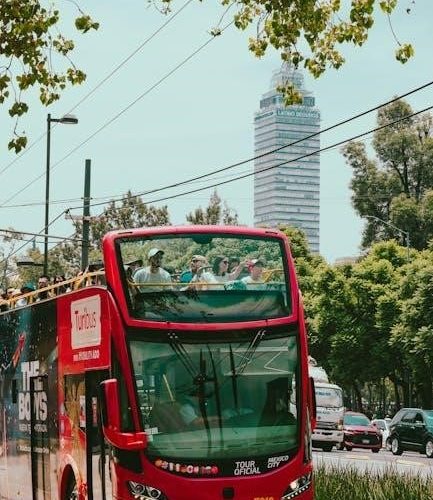
Tour Guide Insurance: A Comprehensive Guide
Navigating the complexities of tour guide insurance requires understanding various coverage types, from general liability to professional indemnity, ensuring comprehensive protection for your business.
Tour operators face unique risks, necessitating specialized insurance solutions that address potential liabilities arising from guiding services and transportation activities.
What is Tour Guide Insurance?
Tour guide insurance is a specialized insurance package designed to protect businesses and individuals providing guided tours from a range of potential liabilities. It’s not a single policy, but rather a combination of coverages tailored to the unique risks inherent in the tourism industry.
This typically includes general liability insurance, safeguarding against claims of bodily injury or property damage occurring during tours. Professional liability insurance (Errors & Omissions) protects against claims of negligence or inadequate service; Given many guides utilize vehicles, commercial auto insurance is crucial. For businesses with employees, workers’ compensation insurance is legally required.
Essentially, tour guide insurance aims to financially protect tour operators from lawsuits, medical expenses, and other costs associated with accidents, injuries, or professional errors that may occur while conducting tours. It’s a vital component of responsible business operation.
Why Do Tour Guides Need Insurance?
Tour guides face a multitude of potential risks, making insurance not just advisable, but often essential for business survival. The nature of the work – leading groups in potentially unfamiliar environments – exposes guides to liabilities like client injuries, property damage, and even legal claims.
Without insurance, a single incident could lead to crippling financial losses. Consider a slip and fall on a tour, or damage to a historical site. Public liability insurance is vital here. Furthermore, offering incorrect information or advice could result in a professional liability claim.
Many regions have licensing and insurance mandates for tour operators. Even where not legally required, insurance demonstrates professionalism and protects your livelihood, ensuring peace of mind and business continuity.

Types of Insurance for Tour Guides
Tour guides require a blend of coverage, including general liability, professional liability (errors & omissions), commercial auto, and workers’ compensation insurance for comprehensive protection.
General Liability Insurance
General Liability Insurance is foundational for tour guides, safeguarding against common risks like bodily injury or property damage sustained by clients during tours. This coverage extends to incidents occurring on tour locations, potentially including slips, trips, and falls, or damage to personal belongings.
It’s a crucial component, protecting your business from potentially substantial financial losses due to lawsuits or medical expenses. A Commercial General Liability policy picks up the non-automotive risks associated with the business, covering potential claims arising from tour operations.
This insurance doesn’t typically cover professional errors, requiring separate professional liability coverage, or vehicle-related incidents, necessitating commercial auto insurance. Securing adequate general liability limits is vital for responsible tour operation and peace of mind.
Professional Liability Insurance (Errors & Omissions)
Professional Liability Insurance, also known as Errors & Omissions (E&O) insurance, protects tour guides from claims of negligence or mistakes in the services they provide. This is distinct from general liability, which covers physical harm or property damage.

E&O insurance addresses situations where clients allege financial loss due to inaccurate information, poor advice, or inadequate tour planning. For example, a misrepresentation of a historical fact or a flawed itinerary leading to missed connections could trigger a claim.
It’s a vital consideration, especially for specialized tours requiring expert knowledge. Tour operators need this coverage alongside general liability to comprehensively address potential risks.
Commercial Auto Insurance
Tour guides utilizing vehicles for business purposes require Commercial Auto Insurance, extending beyond standard personal auto policies. Personal policies often exclude coverage when the vehicle is used for commercial activities, leaving guides vulnerable to significant financial loss.
This coverage protects against accidents, property damage, and bodily injury claims arising from tour-related transportation. It’s crucial even if the guide uses their personal vehicle, as it acknowledges the business use.
Policies should include adequate liability limits and consider coverage for passengers. Given the potential for frequent use and varying road conditions, comprehensive coverage is highly recommended.
Workers’ Compensation Insurance
If your tour guide business employs individuals – even part-time or freelance guides classified as employees – Workers’ Compensation Insurance is often legally required. This coverage protects both the business and the guides in case of work-related injuries or illnesses.
It provides benefits such as medical expenses, lost wages, and rehabilitation costs, shielding the business from potential lawsuits. Even seemingly low-risk tours can involve physical exertion or exposure to environmental hazards, increasing the risk of injury.
Determining employee classification is vital; misclassifying workers can lead to significant penalties. Consulting with an insurance professional ensures compliance with state and federal regulations regarding workers’ compensation.
Specific Coverage Considerations
Beyond core policies, tour guides should assess public liability, equipment, personal accident, and cyber liability coverage for tailored risk management solutions.
Public Liability Insurance
Public liability insurance is a cornerstone of protection for tour guides, safeguarding against financial losses stemming from third-party bodily injury or property damage. This coverage is crucial, as tours inherently involve interactions with the public in various environments, increasing the potential for accidents.
Imagine a client tripping on uneven terrain during a walking tour, or accidental damage to a historical site. Public liability insurance can cover legal defense costs, settlements, and medical expenses. It’s essential to ensure the policy’s limits are adequate for the scale and nature of your tours, considering potential high-value claims.
Specifically, policies should cover incidents occurring during the tour itself, including transportation to and from locations. Review policy wording carefully to understand exclusions and ensure comprehensive protection for your tour operation.
Equipment Insurance
Tour guides often rely on specialized equipment for successful operations, making equipment insurance a vital component of a comprehensive insurance plan. This coverage protects against financial losses due to damage, theft, or loss of essential gear used in delivering tours.
Consider the range of equipment: cameras, binoculars, first-aid kits, specialized tour tools, and even portable audio systems. Equipment insurance can cover the cost of repair or replacement, minimizing disruption to your tour schedule. Policies can be tailored to cover specific items or provide blanket coverage for all equipment.
Carefully assess the value of your equipment and choose a policy with adequate limits. Also, understand whether the policy covers equipment while in transit, during use on tours, and while stored at your business location.
Personal Accident Insurance
Personal accident insurance is a crucial, yet often overlooked, aspect of tour guide insurance, providing financial protection to guides in case of unforeseen injuries. This coverage offers benefits for accidental death, dismemberment, medical expenses, and disability, ensuring guides and their families are supported during challenging times.
Tour guiding can involve physical activity and exposure to various environments, increasing the risk of accidents. A personal accident policy can cover costs beyond standard health insurance, such as rehabilitation or loss of income due to inability to work.
Consider policies that offer 24/7 coverage, including during work hours and travel. Review policy exclusions carefully to understand what is and isn’t covered, ensuring it aligns with the specific risks associated with your tour operations.
Cyber Liability Insurance
In today’s digital landscape, cyber liability insurance is increasingly vital for tour guide businesses, protecting against the financial repercussions of data breaches and cyberattacks. Even small tour operators collect sensitive client information – names, addresses, payment details – making them potential targets for cybercriminals.
A cyber liability policy can cover costs associated with data recovery, customer notification, legal fees, and potential fines resulting from a breach. It also provides support for public relations to manage reputational damage.
Consider coverage for website hacking, malware, and phishing scams. Evaluate policies that include business interruption coverage, compensating for lost income during downtime caused by a cyber incident. Prioritize data security measures alongside insurance protection.

Factors Affecting Insurance Costs
Insurance premiums are influenced by tour activities, geographic location, and the number of guides/employees, alongside risk assessments and coverage limits selected.
Tour Guide Activities & Risks
The nature of tour guide activities significantly impacts insurance costs, as certain excursions inherently carry higher risks. Adventures like hiking, rock climbing, or water sports demand robust coverage due to potential injuries. Even seemingly low-risk walking tours aren’t immune to incidents like slips, trips, or falls.
Transportation methods also play a crucial role; using personal vehicles versus commercial transport alters liability exposure. The complexity of itineraries – whether urban explorations or remote wilderness expeditions – directly correlates with potential claims.

Furthermore, the target demographic influences risk profiles. Tours catering to families with young children or individuals with pre-existing health conditions may necessitate higher coverage levels. Careful consideration of these factors is essential when securing appropriate insurance protection.
Geographic Location
A tour guide’s operating location profoundly influences insurance premiums, reflecting regional variations in legal landscapes and risk factors. Areas prone to natural disasters – such as hurricanes, earthquakes, or wildfires – typically command higher rates due to increased potential for property damage and business interruption.
Similarly, locations with stringent tourism regulations or complex liability laws may necessitate more comprehensive (and costly) coverage. Operating in remote or challenging terrains, like mountains or deserts, also elevates risk and, consequently, insurance costs.
Even urban environments present unique location-based risks, including pedestrian traffic accidents and potential for civil unrest. Insurance providers assess these regional nuances when determining policy pricing and coverage terms.
Number of Employees/Guides
The scale of a tour guide operation, specifically the number of employees and guides, directly impacts insurance costs, primarily due to increased exposure to risk. More employees translate to a higher probability of incidents leading to claims, such as accidents, injuries, or professional errors.
Consequently, insurers factor in payroll, employee classifications (full-time, part-time, independent contractors), and safety training programs when calculating premiums. Businesses with numerous guides often require higher liability limits and potentially more robust workers’ compensation coverage.
Additionally, the complexity of managing a larger workforce introduces administrative burdens and potential for employment-related claims, further influencing insurance pricing.
Obtaining Insurance & Key Documents
Securing tour guide insurance involves obtaining Certificates of Insurance (COI) and completing supplemental questionnaires for vendors, ensuring compliance and coverage verification.
Certificates of Insurance (COI)
Certificates of Insurance (COI) are crucial documents verifying insurance coverage for tour guides and their businesses. They serve as proof of active policies, outlining coverage types, policy limits, and effective dates. When requesting a COI, clearly specify requirements like primary and non-contributory language, or waivers of subrogation, attaching any relevant documentation;
Accurately indicate the relationship to the applicant – whether they are a client, supplier/vendor, landlord, or visitor – as this impacts coverage specifics. COIs are frequently requested by venues, partners, and clients to confirm adequate liability protection. Promptly obtain and review COIs to ensure compliance and mitigate potential risks. Maintaining organized records of all COIs is essential for smooth operations and potential claim scenarios.
Supplier/Vendor Relationships & Insurance Requirements
Tour guides often rely on various suppliers and vendors – transportation companies, activity providers, accommodation services – each presenting unique insurance considerations. It’s vital to understand their insurance policies and ensure adequate coverage exists for potential liabilities arising from their services. Many suppliers will require tour operators to demonstrate sufficient insurance coverage, often requesting a Certificate of Insurance (COI) naming them as additionally insured.
Carefully review contracts with suppliers to identify specific insurance stipulations. Consider requiring vendors to maintain their own professional liability and general liability insurance. An Operator and Meeting Planner Supplemental Questionnaire may be necessary to assess risk. Proactive management of supplier insurance requirements minimizes exposure to claims and protects your business’s financial stability.
Operator & Planner Supplemental Questionnaires
Insurance providers frequently utilize Operator and Meeting Planner Supplemental Questionnaires to thoroughly assess the specific risks associated with a tour guide’s operations. These detailed forms delve into the intricacies of your business, requesting information beyond standard applications, such as tour types, client demographics, and geographical areas served.
Expect questions regarding safety protocols, emergency procedures, and the qualifications of your guides. Accurate and comprehensive responses are crucial for obtaining appropriate coverage and avoiding potential claim denials. Supplying this information allows insurers to tailor policies to your unique needs, ensuring adequate protection against potential liabilities. Completing these questionnaires diligently demonstrates a commitment to risk management and responsible business practices.
Insurance Providers & Resources
Locating specialized insurance brokers and leveraging industry associations can streamline the process of securing tailored tour guide insurance policies and programs.
Finding Specialized Insurance Brokers
Securing the right insurance demands expertise; general brokers may lack the nuanced understanding of tour operator risks. Specialized brokers focus on the travel industry, possessing knowledge of relevant licensing, regulations, and potential liabilities. They can navigate complex policy wording, ensuring adequate coverage for activities like guided tours and transportation.
Begin your search online, utilizing industry directories and professional networking platforms like LinkedIn. Request recommendations from fellow tour guides or operators. When contacting brokers, inquire about their experience with similar businesses and their access to multiple insurance carriers. A broker with established relationships can often negotiate better rates and terms.
Prepare a detailed overview of your operations, including tour types, group sizes, vehicle usage, and any unique risks. This information will enable the broker to accurately assess your needs and provide tailored quotes. Don’t hesitate to ask clarifying questions and compare proposals from several brokers before making a decision.
Industry Associations & Insurance Programs
Leveraging industry associations can unlock access to group insurance programs, often offering competitive rates and tailored coverage for tour guides. These associations frequently negotiate master policies with insurers, benefiting from collective bargaining power and specialized risk management expertise.
Explore associations relevant to your tour niche – adventure tourism, historical tours, or regional tourism boards. Membership often includes access to discounted insurance options and valuable resources regarding legal and regulatory compliance. Investigate if the association offers supplemental questionnaires or specific requirements for insurance applications.
These programs frequently streamline the insurance procurement process, providing pre-approved coverage options aligned with industry best practices. Carefully review the policy details to ensure they adequately address your specific operational risks and liabilities. Don’t solely rely on association-endorsed programs; compare quotes from independent brokers to confirm you’re receiving the best value.
Legal & Regulatory Requirements
Tour operators must adhere to licensing and insurance mandates varying by country and region, often set by tourism ministries, ensuring legal compliance and operational validity.
Licensing & Insurance Mandates by Country/Region
Navigating the legal landscape for tour guides demands a thorough understanding of country-specific regulations. Many nations impose stringent licensing requirements on tour operators, often overseen by their respective tourism ministries. These licenses frequently necessitate proof of adequate insurance coverage as a prerequisite for operation.
Insurance mandates can differ significantly. Some regions may require minimum levels of public liability insurance, while others may also demand professional indemnity coverage. Furthermore, if transportation is involved – as with a tour utilizing a vehicle – commercial auto insurance becomes essential.
Operators should proactively research the specific laws of each location where they conduct tours. Failure to comply with these mandates can result in hefty fines, operational shutdowns, or even legal repercussions. Consulting with a specialized insurance broker familiar with international tourism regulations is highly recommended.