
Understanding Suit Jacket Sizing: A Comprehensive Guide
Navigating suit jacket sizing requires understanding key measurements and fits.
This guide decodes charts‚ addresses common issues‚ and explores alterations for a perfect fit.
Achieving the right suit jacket fit is paramount for a polished appearance. A well-fitted jacket enhances your physique and exudes confidence.
Understanding that suit jackets come in various fits – regular‚ slim‚ modern‚ and classic – is the first step.
Regular fit suits offer comfort and a relaxed silhouette‚ flattering most body types‚ with a normal jacket length.
Slim fit suits‚ conversely‚ provide a snug fit through the shoulders‚ chest‚ arms‚ and thighs.
Proper fit ensures the jacket complements‚ not constricts‚ your body.
Measurements like chest and sleeve length are crucial‚ as is considering brand-specific sizing variations.
Why Accurate Sizing Matters
Precise suit jacket sizing dramatically impacts overall appearance and comfort. An ill-fitting jacket can appear sloppy and detract from your professional image.
A jacket too tight restricts movement‚ while one too loose looks unrefined. Accurate sizing ensures the jacket drapes correctly‚ accentuating your shoulders and chest.
Furthermore‚ proper fit influences how other garments‚ like shirts and trousers‚ appear.
Sleeve length is critical; sleeves should end at the wrist bone.
Jacket length should ideally end just above the seat of your pants.
Ignoring accurate sizing can lead to costly alterations‚ making investing in the right fit from the start a worthwhile endeavor.

Key Measurements for Suit Jackets
Essential measurements – chest‚ shoulder‚ sleeve length‚ and jacket length – are crucial for finding the right fit. Accurate measurements guarantee a polished look.
Chest Measurement

Determining your chest measurement is the foundational step in suit jacket sizing. Use a flexible measuring tape and wrap it around the fullest part of your chest‚ keeping the tape level and comfortably snug – not tight.
Ensure your arms are relaxed at your sides during measurement. The tape should sit under your armpits and across your shoulder blades.
Record the measurement in inches or centimeters.
Referencing size charts‚ match your chest measurement to the corresponding jacket size.
Remember that chest size is a primary factor‚ but shoulder and other measurements are equally important for a well-fitted jacket.
A precise chest measurement is vital for comfort and style.
Shoulder Measurement
Accurately measuring your shoulders is crucial for a suit jacket that hangs correctly. This measurement determines how the jacket sits across your upper back and affects overall comfort.
To take this measurement‚ find the bony point at the end of your shoulder (where a shoulder seam would naturally fall).
Measure horizontally across your back from this point on one shoulder to the same point on the other.
Keep the measuring tape straight and avoid pulling it too tightly.
Compare your shoulder measurement to the size charts provided by the jacket manufacturer. A proper shoulder fit prevents pulling or bunching‚ ensuring a clean silhouette. This measurement is often more critical than chest size for achieving a flattering fit.
Sleeve Length Measurement
Determining the correct sleeve length is vital for a polished appearance. Sleeves should end approximately where your wrist meets your hand‚ allowing about half an inch of your shirt cuff to be visible.
To measure‚ stand with your arms relaxed at your sides. Have someone measure from the center back of your neck‚ over your shoulder‚ and down the outside of your arm to your wrist bone.
Ensure your arm is slightly bent during measurement.
Refer to size charts‚ noting that sleeve length often correlates with jacket size.
Incorrect sleeve length can significantly detract from the overall look; too short appears awkward‚ while too long looks sloppy. ASOS jackets measure sleeve length with your arm straight.
Jacket Length Measurement
Jacket length significantly impacts the overall proportion and style of your suit. Traditionally‚ jacket length is determined by the number of buttons. A single-breasted jacket typically ends just above your hips‚ allowing for a clean line.
To measure‚ stand straight and have someone measure from the center back of your neck‚ straight down your back to the desired hemline. Regular fit suits end just above the hips. ASOS Formal Jackets average 27.5 inches for size 40.
Consider your body type; shorter individuals may benefit from shorter jackets‚ while taller individuals can pull off longer lengths. Variations exist – short‚ regular‚ and long lengths – influencing the suit’s aesthetic.

Suit Jacket Size Charts: Decoding the Numbers
Understanding size charts – US‚ UK‚ and European – is crucial. Charts correlate chest measurements with jacket sizes‚ ensuring a proper fit and avoiding guesswork.
US Suit Jacket Size Chart
Decoding the US suit jacket size chart involves matching your chest measurement to the corresponding size. A typical chart reveals a correlation between inches and suit jacket size. For instance‚ a 36-inch chest generally corresponds to a size 36 jacket‚ while a 38-40 inch chest fits a size 40.
However‚ variations exist! A 42-inch chest usually equates to a size 42‚ progressing to a 44 for a 44-46 inch chest. Larger sizes follow this pattern: 46 for a 46-48 inch chest‚ 48 for a 48-50 inch chest‚ and 50-52 for a size 52.
Remember‚ sleeve length also plays a role‚ with measurements like 37.5 inches for size 36‚ 39.5 for size 38‚ and 41.5 for size 40. Jacket length‚ typically around 70-74 inches‚ varies slightly by style.
UK Suit Jacket Size Chart
Understanding the UK suit jacket size chart requires converting chest measurements into UK sizes. Generally‚ a chest size of 34-36 inches corresponds to a UK size 36‚ while 36-38 inches fits a size 38. The chart continues with 38-40 inches equating to a size 40‚ and 40-42 inches fitting a size 42.
For larger chests‚ a 42-44 inch measurement typically corresponds to a UK size 44‚ followed by 44-46 inches for a size 46. Larger sizes include 46-48 inches for a size 48‚ and 48 inches for a size 50.
Sleeve length is also crucial‚ with measurements like 34 or 36 for size 36‚ and 38 or 40 for size 40. Remember to consider jacket length‚ which can vary‚ but generally falls around 71cm for a size 40.
European Suit Jacket Size Chart
Decoding the European suit jacket size chart involves understanding how chest measurements translate into European sizes. A chest measurement of 70cm generally corresponds to a European size 46‚ while 71cm fits a size 48. Progressing up the scale‚ 72cm equates to size 50‚ and 73cm to size 52.
For larger builds‚ 74cm typically corresponds to a European size 54. It’s important to note that European sizing often runs smaller than US or UK sizes‚ so careful measurement is crucial. Sleeve length also plays a role‚ with variations depending on the jacket style.
Consider a size 36 jacket with a sleeve length of 37.5cm‚ or a size 40 with a sleeve length of 41.5cm. Always check specific brand charts‚ as variations exist.
Suit Jacket Fits: Finding Your Style
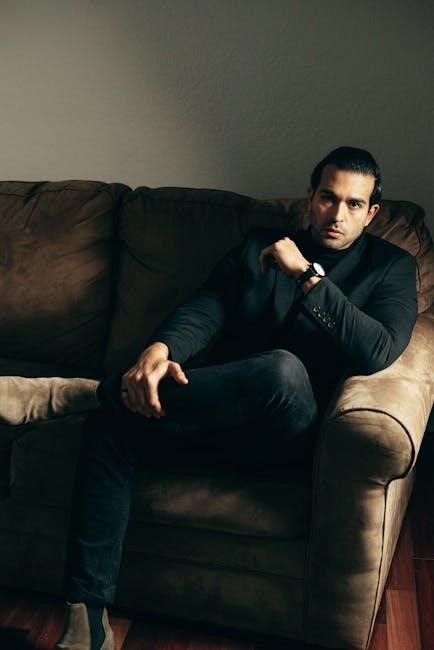
Choosing the right fit – regular‚ slim‚ modern‚ or classic – dramatically impacts your suit’s appearance. Each style offers a unique silhouette and comfort level.
Regular Fit Suit Jackets
Regular fit suits are celebrated for their comfortable and relaxed silhouette‚ making them a versatile choice for many body types. This classic style provides ample room through the chest‚ waist‚ and shoulders‚ allowing for ease of movement and layering.
The jacket in a regular fit typically features a traditional cut‚ ending just above the seat of your pants. This length offers a balanced and timeless aesthetic. They are designed to skim the body without being overly constricting‚ providing a flattering look without feeling tight.
If you prioritize comfort and a more traditional appearance‚ a regular fit suit is an excellent option. It’s a dependable choice for both professional and social occasions‚ offering a polished yet approachable style.
Slim Fit Suit Jackets
Slim fit suits are meticulously cut to provide a close-fitting‚ modern silhouette. These suits are designed to hug the body‚ creating a streamlined and sophisticated look. They feature a tailored fit through the shoulders‚ chest‚ arms‚ and thighs‚ minimizing excess fabric and emphasizing a more athletic build.
The jacket in a slim fit style is typically shorter in length and more fitted at the waist‚ enhancing the overall shape. This style is ideal for those who prefer a contemporary aesthetic and want to showcase a defined physique.
Our slim fit suits are our closest-fitting style‚ precisely cut for a snug fit. They are a popular choice for fashion-conscious individuals seeking a sharp and polished appearance.
Modern Fit Suit Jackets
Modern fit suit jackets strike a balance between the classic and slim fits‚ offering a contemporary silhouette without being overly restrictive. They provide a comfortable yet tailored appearance‚ making them versatile for various body types and occasions. This style features a slightly shaped waist and a moderate amount of ease through the chest and shoulders.
Compared to traditional fits‚ modern suits generally have a cleaner line and a more streamlined profile. They aren’t as tight as slim-fit options‚ allowing for greater freedom of movement while still maintaining a polished look.
This fit is a great choice for those seeking a sophisticated and up-to-date style that isn’t too trendy or constricting.
Classic Fit Suit Jackets
Classic fit suit jackets embody timeless style and prioritize comfort. These jackets offer a relaxed silhouette with generous cuts through the chest‚ shoulders‚ and waist‚ ensuring a comfortable and non-restrictive fit for most body types. The jacket typically has a straight cut and ends just above the seat of your pants.
Regular fit suits‚ as they are also known‚ are exceptionally comfortable and flattering. They provide ample room for movement and are ideal for individuals who prefer a more traditional aesthetic. This style doesn’t hug the body‚ offering a more forgiving and easy-to-wear option.
Classic fits are a reliable choice for a sophisticated and enduring look.
Understanding Jacket Length Variations
Jacket length significantly impacts overall style. Options include short‚ regular‚ and long lengths‚ each offering a distinct silhouette and aesthetic appeal.
Short Length Jackets
Short length jackets represent a modern‚ fashion-forward choice‚ typically ending higher on the torso. These jackets often showcase a more youthful and dynamic appearance‚ suiting individuals who prefer a contemporary aesthetic. Generally‚ a short jacket will measure around 27.5 inches down the center back from the neck‚ as seen in ASOS Formal jackets.
This style can be particularly flattering for taller individuals‚ as it prevents the jacket from appearing disproportionately small. However‚ it’s crucial to ensure the shorter length doesn’t reveal too much of the shirt underneath‚ maintaining a polished look. Consider body type and personal preference when opting for this variation‚ as it’s not a universally flattering fit.
Regular Length Jackets
Regular fit suits‚ and consequently their jackets‚ offer a comfortable and relaxed silhouette‚ flattering most body types. The jacket’s length in this style is considered standard‚ typically ending just above the wearer’s seat. This classic length provides a balanced proportion and remains a versatile choice for various occasions.
A regular length jacket ensures sufficient coverage without appearing overly long or formal. It’s a safe and reliable option for those unsure about experimenting with shorter or longer styles. This length allows for ease of movement and a timeless aesthetic‚ making it a staple in many wardrobes. It’s a dependable choice for both professional and social settings.
Long Length Jackets
Longer suit jacket lengths represent a bolder‚ more fashion-forward statement. These jackets extend below the seat‚ often reaching mid-thigh‚ creating a streamlined and elongated silhouette. While not as universally flattering as regular lengths‚ they can be exceptionally stylish when worn correctly.
Longer jackets often suit taller individuals‚ as they prevent the jacket from appearing disproportionately short. They pair well with slimmer-fitting trousers to maintain balance. This style exudes confidence and sophistication‚ making it ideal for evening events or making a strong impression. Consider the overall proportion and ensure the length complements your body type for a polished look.
Specific Brand Sizing Considerations
Brand sizing varies; ASOS jacket length for size 40 averages 27.5 inches. Always consult specific brand charts for accurate fit‚ as cuts differ.
ASOS Suit Jacket Sizing
ASOS offers a diverse range of suit jackets‚ and understanding their sizing is crucial for a good fit. Generally‚ the length of ASOS Formal Jackets and Blazers varies depending on the specific style‚ but an average size 40 jacket measures approximately 27.5 inches / 71cm down the center back from the neck.
When selecting an ASOS suit jacket‚ pay close attention to the chest measurement‚ ensuring it aligns with your own. ASOS provides detailed size guides on their product pages‚ including chest‚ sleeve length‚ and overall jacket length. It’s recommended to measure yourself accurately and compare those measurements to the ASOS size chart before making a purchase. Remember that ASOS caters to a variety of fits‚ including slim and regular‚ so consider your preferred silhouette when choosing a size.
Other Popular Brand Size Charts (Overview)
Beyond ASOS‚ suit jacket sizing varies significantly between brands. A standard size 40 may fit differently at Zara compared to Hugo Boss or Brooks Brothers. Generally‚ chest measurement is the primary determinant‚ often ranging from 36 to 52 inches or beyond. Sleeve length is also critical‚ typically measured in inches‚ with common sizes like 32‚ 34‚ 36‚ and 38.
Jacket length‚ measured from the neck to the bottom hem‚ usually falls between 29 to 32 inches‚ depending on the brand’s style and cut. Many brands offer detailed size charts on their websites‚ specifying chest‚ waist‚ shoulder‚ and sleeve measurements. Always consult these charts and‚ ideally‚ compare them to a jacket that already fits you well for a more accurate assessment.
Troubleshooting Common Sizing Issues
Common fit problems include sleeves that are too long or short‚ a tight chest‚ or a loose shoulder. Addressing these issues ensures optimal comfort and style.
Sleeves Too Long or Short
Incorrect sleeve length significantly impacts a suit jacket’s appearance. Ideally‚ approximately ¼ to ½ inch of your shirt cuff should be visible beyond the jacket sleeve. If sleeves are too long‚ they can appear sloppy and interfere with movement. Conversely‚ sleeves that are too short make the jacket look disproportionate and can restrict arm mobility.
Measuring sleeve length requires a straight arm and measurement from the shoulder point down to the wrist. Standard sleeve lengths vary with jacket size; for example‚ a size 40 jacket often has a 34-36 inch sleeve. Alterations to sleeve length are relatively straightforward for a tailor‚ involving shortening or‚ less commonly‚ lengthening the sleeve. Remember to consider the shirt you’ll typically wear with the suit when assessing sleeve length.
Jacket Too Tight in the Chest
A jacket that’s too tight across the chest is a common sizing issue‚ hindering comfort and creating an unflattering silhouette. When buttoned‚ the jacket should close smoothly without straining or pulling‚ allowing for comfortable movement. Noticeable pulling‚ wrinkling‚ or a distorted jacket shape indicates the chest size is too small.
Chest measurement is crucial; it’s taken at the widest part of the chest‚ just under the armpits. A tailor can often let out the jacket seams slightly‚ providing a limited adjustment. However‚ significant alterations can compromise the jacket’s structure and fit. If the tightness is substantial‚ it’s generally best to exchange the jacket for a larger size‚ prioritizing comfort and a clean appearance.
Jacket Too Loose in the Shoulders
A poorly fitting shoulder is arguably the most critical flaw in a suit jacket‚ as it’s the most difficult and expensive alteration. The shoulder pads should lie flat against your natural shoulders‚ mirroring their shape without extending beyond or digging in. If the jacket’s shoulders slump or wrinkle‚ or if there’s excessive fabric extending past your shoulder point‚ it’s too loose.
Shoulder measurement is paramount. A tailor can attempt to reshape the shoulders‚ but this is a complex alteration. Often‚ a significant shoulder adjustment requires extensive reconstruction‚ potentially altering the jacket’s overall fit. It’s generally advisable to select a jacket where the shoulders fit correctly from the outset‚ avoiding costly and potentially unsatisfactory alterations.
Alterations: Achieving the Perfect Fit
Fine-tuning a suit often requires alterations. Common adjustments include sleeve length‚ jacket waist suppression‚ and pant hems. A skilled tailor ensures a polished‚ personalized fit.
Common Alterations for Suit Jackets
Several alterations can dramatically improve a suit jacket’s fit. Sleeve length is frequently adjusted; a general rule is to show about half an inch of shirt cuff. Jacket length adjustments are less common but possible‚ though significant changes can alter the jacket’s proportions. Taking in the sides of the jacket refines the silhouette‚ creating a more tailored look‚ particularly if the jacket feels too boxy.
Shoulder adjustments are complex and best avoided if possible‚ as they require significant reconstruction. Waist suppression‚ shaping the jacket at the waist‚ enhances the overall fit. Lapel roll can sometimes be subtly adjusted‚ but this is a specialized alteration. Remember‚ a good tailor will advise on what’s feasible and maintain the jacket’s original structure and style. Prioritizing alterations that address the core fit issues – sleeves‚ waist‚ and side seams – yields the best results.
Finding a Reputable Tailor
Locating a skilled tailor is crucial for achieving a perfect suit jacket fit. Seek recommendations from friends‚ colleagues‚ or online reviews. Check online platforms for tailors specializing in suit alterations‚ noting their experience and customer feedback. Visit potential tailors and discuss your alteration needs; a good tailor will offer insightful advice and explain the process clearly.
Observe the tailor’s workspace – a clean and organized shop suggests attention to detail; Ask about their experience with the specific type of alteration you require. Inquire about pricing upfront to avoid surprises. A reputable tailor will provide a clear quote and a realistic timeframe. Don’t hesitate to ask questions and trust your instincts – a comfortable rapport is essential for a successful alteration experience.
Cost of Suit Jacket Alterations
Suit jacket alteration costs vary significantly based on complexity and location. Simple alterations‚ like sleeve shortening‚ typically range from $30 to $60. More complex adjustments‚ such as taking in the sides or reshaping the shoulders‚ can cost between $75 and $200 or more. Jacket length adjustments generally fall within the $40 to $80 range.
Factors influencing price include the tailor’s expertise‚ the fabric of the jacket‚ and the extent of the work. Expect to pay more for alterations on high-end fabrics or intricate designs. Always obtain a quote before authorizing any work. Consider alterations an investment in a well-fitting garment‚ enhancing its longevity and your overall appearance.

Walking Suit Sizing
Walking suits differ from traditional suits; sizing considers both jacket and trouser measurements.
Charts correlate chest size with jacket and waist size with trouser dimensions for optimal fit.
Walking Suit Size Chart Details
Decoding walking suit charts involves understanding how sizes correlate to body measurements. A typical chart will list sizes like L‚ XL‚ 2XL‚ and 3XL. For size L‚ the jacket generally fits a chest measurement of 40 to 42 inches‚ paired with a trouser waist of 34 or 36 inches. Moving to XL‚ the jacket accommodates a 44 to 46-inch chest‚ with a 38 or 40-inch waist trouser.
Size 2XL usually fits a 48-inch chest and a 42-inch waist‚ while 3XL caters to a 50 to 52-inch chest with a 44 or 46-inch waist. Important note: these are general guidelines‚ and variations exist between brands. Always consult the specific brand’s chart for accurate sizing. Sleeve length isn’t always specified‚ so consider individual arm length when choosing a size.
Considerations for Walking Suit Fit
Walking suits prioritize comfort and ease of movement‚ differing from traditional suit fits. A relaxed‚ yet tailored silhouette is key. Unlike formal suits‚ walking suits often feature a more generous cut through the chest and shoulders‚ allowing for layering. Consider the intended use – a more fitted style suits social occasions‚ while a looser fit is ideal for casual wear.
Trouser fit is equally important; a comfortable waist and appropriate break (the amount of fabric resting on the shoe) enhance the overall look. Pay attention to jacket length‚ ensuring it complements your height and build. Alterations may be needed to achieve a personalized fit‚ particularly in sleeve length and trouser hem.