
The Fall of the House of Usher: A Comprehensive Reading Guide
Dive into Poe’s chilling tale! This guide explores the story’s gothic elements, architectural symbolism, and psychological depths, offering insights into its enduring power.
Edgar Allan Poe, a master of the macabre, profoundly impacted American literature with his tales of mystery and horror. His work, including “The Fall of the House of Usher,” exemplifies Gothic Literature – a genre characterized by dark, atmospheric settings, psychological torment, and supernatural elements.
Poe’s exploration of the human psyche, coupled with decaying landscapes and isolated characters, defines his unique style. Gothic conventions, like crumbling architecture and a sense of impending doom, are central to the story’s unsettling effect. Understanding Poe’s biography and the broader Gothic tradition enhances appreciation for his literary achievements and the story’s enduring themes.
II. Historical and Literary Context

“The Fall of the House of Usher” emerged during the 19th century, a period marked by societal anxieties and a fascination with the irrational. Romanticism, with its emphasis on emotion and individualism, preceded and influenced Gothic literature. Simultaneously, advancements in psychology, though nascent, began to explore the darker recesses of the human mind.
Poe’s story reflects anxieties surrounding aristocratic decline and the fragility of family lineage. The concept of “house” itself held symbolic weight, representing both physical shelter and familial identity. Understanding these historical currents and literary trends illuminates the story’s deeper meanings and its resonance with contemporary audiences.
III. Plot Summary: A Detailed Overview
The narrative unfolds as an unnamed narrator arrives at the bleak mansion of his childhood friend, Roderick Usher. He responds to a desperate plea for companionship from the increasingly unstable Roderick, who suffers from a mysterious malady. Simultaneously, Roderick’s twin sister, Madeline, is afflicted by a debilitating illness, seemingly cataleptic.
As the narrator attempts to soothe Roderick, a palpable atmosphere of dread descends upon the house. Madeline eventually “dies” and is entombed, but unsettling events suggest she may not be truly gone, culminating in a terrifying climax and the literal collapse of the Usher lineage and their ancestral home.
III.A. The Narrator’s Arrival and Initial Impressions
The story begins with the narrator’s journey to the Usher family estate, responding to a letter from his boyhood friend, Roderick. He describes an overwhelming sense of gloom and foreboding even before reaching the house, noting the decaying landscape and a barely perceptible fissure extending down the building’s facade.
Upon entering, he’s struck by the house’s oppressive atmosphere and Roderick’s peculiar, heightened sensitivities. The narrator immediately perceives a strange, unsettling influence pervading the mansion, foreshadowing the psychological and physical deterioration that unfolds within its walls. His initial impressions establish a tone of dread and anticipation.
III.B. Roderick Usher’s Illness and Mental State
Roderick Usher suffers from a debilitating illness characterized by acute sensory sensitivity – sounds, light, tastes, and textures overwhelm him. He’s plagued by a profound melancholy and an irrational fear that his ancestral home is influencing his deteriorating mental state. His artistic pursuits, particularly painting and music, reflect his disturbed psyche.
The narrator observes Roderick’s increasingly erratic behavior, noting his nervous agitation and obsessive focus on his sister, Madeline’s, declining health. Roderick believes he and his house are inextricably linked, suggesting a hereditary mental illness and a premonition of doom.
III.C. Madeline Usher’s Mysterious Condition
Madeline Usher is afflicted by a cataleptic illness, marked by periods of apparent death-like stillness and eventual, frightening revivals. Her condition progressively worsens, leading to a trance-like state where she seems barely alive. Roderick and the narrator believe she is succumbing to a family malady, mirroring his own mental and physical decline.
The story details her eventual “death” and premature entombment within the family vault. This act, driven by Roderick’s fears and anxieties, becomes a pivotal point, fueling the story’s suspense and foreshadowing the horrific climax. Her condition remains ambiguous, hinting at a supernatural element.
IV. Character Analysis
The characters in “The Fall of the House of Usher” are deeply symbolic, representing psychological states rather than realistic individuals. Roderick Usher embodies artistic and intellectual decay, consumed by his anxieties and hypersensitivity. Madeline represents the physical manifestation of the family’s decline, a haunting presence linked to the house itself.
The unnamed narrator serves as an outsider, a rational observer drawn into the Usher’s world of madness. His role is crucial in conveying the story’s events and amplifying the atmosphere of dread. Each character’s fate is intertwined, contributing to the story’s tragic and inevitable conclusion.
IV.A. Roderick Usher: A Study in Neuroticism
Roderick Usher is the quintessential Poe protagonist – a man consumed by acute mental and physical illness. His neuroticism manifests as extreme sensitivity to sensory stimuli, a morbid preoccupation with death, and a profound sense of dread. He suffers from an unnamed malady, likely a psychological disorder exacerbated by isolation and family history.
Usher’s artistic pursuits, particularly his painting and music, reflect his deteriorating mental state. His artwork is unsettling and chaotic, mirroring his inner turmoil. He embodies the Romantic archetype of the tortured artist, driven to the brink by his own imagination and anxieties.
IV.B. Madeline Usher: Symbolism and Representation
Madeline Usher functions as a powerful symbol within the story, representing the decaying Usher lineage and the repressed feminine. Her cataleptic state and eventual entombment embody the family’s attempt to bury its dark secrets and morbid history. She is often interpreted as Roderick’s alter ego, reflecting his own suppressed fears and anxieties.
Madeline’s physical decline mirrors the deterioration of the Usher mansion, suggesting a connection between the family, the house, and their shared fate. Her eventual return and climactic confrontation symbolize the inescapable consequences of the Usher family’s past.
IV.C. The Narrator: Role and Perspective
The unnamed narrator serves as an outsider, a rational observer drawn into the increasingly irrational world of Roderick Usher. His role is crucial in conveying the story’s events and establishing a sense of mounting dread. He represents the reader’s perspective, initially skeptical but gradually succumbing to the oppressive atmosphere.
The narrator’s attempts to comfort Roderick and his detached observations highlight the psychological distance between them. His ultimate flight from the collapsing house signifies a rejection of the Usher’s fate, yet also a haunting awareness of its implications.
V. Setting and Atmosphere: The House as a Character
The Usher mansion isn’t merely a backdrop; it’s a palpable presence, embodying the decay and isolation of its inhabitants. Poe meticulously details its crumbling architecture – a solid foundation supporting a structure riddled with fissures – mirroring the Usher family’s deteriorating state. The surrounding landscape, bleak and desolate, amplifies the sense of gloom.

The house’s oppressive atmosphere, described with unsettling precision, actively contributes to the story’s psychological horror. It’s a physical manifestation of Roderick and Madeline’s inner turmoil, ultimately becoming a character in its own right.
V;A. Architectural Details and Symbolic Significance
The Usher house’s L-shape, comprised of joined structures with a deck, is crucial. Its decaying state – fissures, bleak walls – symbolizes the Usher family’s decline, both physically and mentally. The solid foundation ironically contrasts with the crumbling upper levels, hinting at a once-strong lineage now irrevocably damaged.
Poe’s detailed descriptions aren’t accidental. The house, resembling a physical body, reflects Roderick and Madeline’s illnesses. Windows like vacant eyes, and the overall oppressive structure, contribute to a sense of entrapment and foreshadow the family’s ultimate doom.
V.B. The Landscape and its Reflection of the Usher Family’s Decline
The desolate landscape surrounding the Usher mansion mirrors the family’s internal decay. A barely perceptible fissure extending from the house into the tarn (a small mountain lake) visually represents the Usher lineage’s fracturing and impending collapse. The tarn’s murky waters and surrounding vegetation contribute to an atmosphere of stagnation and death.
This mirroring isn’t coincidental; Poe deliberately links the external environment to the Usher’s psychological states. The oppressive gloom and sense of isolation amplify the feelings of dread and foreshadow the tragic events unfolding within the house’s walls.
VI. Key Themes and Motifs
“The Fall of the House of Usher” powerfully explores themes of decay, both physical and psychological, and the inescapable grip of mortality. Isolation and entrapment are central, symbolized by the house itself and the Usher siblings’ seclusion. The story delves into the power of the mind, showcasing Roderick’s descent into madness and the blurring lines between reality and imagination.
Recurring motifs include doubling – Roderick and Madeline – and entombment, foreshadowing Madeline’s premature burial. These elements contribute to the story’s pervasive sense of dread and impending doom, highlighting the interconnectedness of mind, body, and environment.
VI.A. Decay and Mortality
The pervasive theme of decay manifests both in the physical deterioration of the Usher mansion and the declining health of its inhabitants. The house, described with crumbling stones and a “vacant eye-like window,” mirrors the Usher family’s fading lineage and Roderick’s mental state. Mortality looms large, symbolized by Madeline’s wasting illness and eventual entombment.
Poe utilizes vivid imagery of rot and ruin to emphasize the inevitability of death and the transience of life. This decay isn’t merely physical; it represents a spiritual and psychological disintegration, reflecting the Usher’s isolation and inherited doom.
VI.B. Isolation and Entrapment
The Usher family’s self-imposed isolation is central to the story’s unsettling atmosphere. The remote location of the mansion, coupled with the family’s reclusive nature, creates a sense of profound loneliness and detachment from the outside world. This isolation isn’t simply geographical; it’s psychological, trapping Roderick and Madeline within their own minds and the decaying walls of their ancestral home.
The house itself becomes a symbol of entrapment, its oppressive architecture and labyrinthine corridors mirroring the characters’ internal confinement. They are prisoners of their lineage, their environment, and their own deteriorating psyches.

VI.C. The Power of the Mind and Psychological Deterioration
“The Fall of the House of Usher” profoundly explores the destructive power of the human mind. Roderick Usher’s acute sensitivity and morbid anxieties exemplify a descent into psychological disintegration. His mental state isn’t merely a personal affliction; it’s intrinsically linked to the fate of his sister and the house itself.
Poe suggests a blurring of boundaries between the physical and psychological realms, where Roderick’s internal turmoil manifests in the tangible decay of his surroundings. The story questions the reliability of perception and the fragility of the human psyche when confronted with fear and isolation.
VII. Symbolism in “The Fall of the House of Usher”
Poe masterfully employs symbolism throughout “The Fall of the House of Usher.” The house itself represents the decaying Usher family lineage and Roderick’s deteriorating mental state – a physical manifestation of internal collapse. The fissure in the house symbolizes the cracks within the Usher family and their impending doom.
Madeline’s entombment alive embodies repressed fears and the consequences of attempting to control nature. The tarn surrounding the house reflects the Usher’s isolation and the mirroring of their internal world. Even the weather contributes, with the oppressive atmosphere foreshadowing tragedy.
VIII. Narrative Techniques and Style
Edgar Allan Poe’s narrative style in “The Fall of the House of Usher” is crucial to its unsettling effect. He utilizes a first-person narrator, creating an intimate yet unreliable perspective, heightening suspense. Poe’s use of descriptive language, particularly regarding the house and landscape, establishes a pervasive atmosphere of gloom and decay.

The story relies heavily on foreshadowing, hinting at the impending catastrophe. Poe’s deliberate pacing, building from subtle unease to frantic climax, intensifies the psychological horror. His masterful control of rhythm and sound further contributes to the story’s haunting quality.

IX. Critical Interpretations and Scholarly Analyses
“The Fall of the House of Usher” has spurred diverse critical interpretations. Psychoanalytic readings often view the story as an exploration of the fractured psyche, with the house symbolizing the decaying mind of Roderick Usher. Feminist perspectives examine Madeline’s silencing and entombment as representative of patriarchal oppression.
Scholars debate the story’s allegorical meaning, suggesting it represents the decline of the aristocratic family or the death of imagination. Marxist interpretations focus on the Usher’s isolation as a consequence of their social class. These analyses demonstrate the story’s enduring complexity.
IX.A. Psychoanalytic Readings
Psychoanalytic interpretations of “The Fall of the House of Usher” frequently view the narrative as a manifestation of the human psyche’s fragmentation. Roderick Usher’s deteriorating mental state symbolizes a descent into madness, mirroring a fractured self. The house itself embodies Usher’s mind, its decay reflecting his psychological collapse.
Madeline’s entombment can be seen as a repression of the feminine, a burial of unconscious desires. The story’s intense focus on doubling and mirroring suggests a struggle with identity and the shadow self, revealing deep-seated anxieties.

IX.B. Feminist Perspectives
Feminist readings of “The Fall of the House of Usher” often center on Madeline Usher’s silencing and ultimate entombment as symbolic of patriarchal oppression. Her illness and subsequent “death” represent the suppression of female agency and voice within a male-dominated society. The narrative’s focus on Roderick’s psychological state overshadows Madeline’s experience, reinforcing this silencing.
Madeline’s return and final act can be interpreted as a reclaiming of power, a violent disruption of the patriarchal order that sought to contain her. The house’s collapse signifies the crumbling of this oppressive structure.
X. Connections to Other Works by Edgar Allan Poe
“The Fall of the House of Usher” shares thematic resonances with other Poe masterpieces. Like “The Tell-Tale Heart,” it delves into psychological disintegration and the unreliability of perception. The decaying mansion mirrors the crumbling mental states found in “The Black Cat” and “The Cask of Amontillado,” showcasing Poe’s fascination with confinement and madness.
The motif of premature burial, prominent in “The Premature Burial,” echoes Madeline Usher’s entombment. Poe consistently explores the fragility of life and the haunting power of the past, creating a unified and unsettling literary universe.
XI. Discussion Questions for Further Exploration
How does the physical deterioration of the Usher house reflect the decline of its inhabitants? What role does isolation play in the story’s tragic outcome? Consider the symbolism of Madeline Usher’s illness and eventual entombment – what might she represent?
Analyze the narrator’s perspective; how does his presence influence the events? Discuss the story’s exploration of the relationship between the mind and body. Is Roderick Usher a victim of his environment, or is his downfall self-inflicted? Finally, explore the gothic elements and their contribution to the overall atmosphere.
XII. Further Reading and Resources
Explore scholarly articles on JSTOR and Project MUSE for in-depth analyses of Poe’s work. The Edgar Allan Poe Museum website ([https://poemuseum.org/](https://poemuseum.org/)) offers biographical information and critical essays. For contextual understanding, consider reading works on 19th-century Gothic literature and architectural history.
“The Complete Tales and Poems of Edgar Allan Poe” provides a comprehensive collection. Biographies of Poe, such as those by Kenneth Silverman and John Trescott, offer valuable insights. Websites like LitCharts and SparkNotes provide helpful summaries and analyses for student use.
XIII. The House: Physical Description and Layout
The Usher mansion is described as bleak, vast, and imposing, exhibiting a sense of decaying grandeur. It’s an L-shaped structure with two distinct parts connected by a deck. The main house, approximately 400 square feet, features a kitchen, living room, and bathroom built upon a solid foundation.
Poe emphasizes the house’s unsettling symmetry and the tarn, a dark pool reflecting its image. The building’s architecture contributes significantly to the story’s oppressive atmosphere, symbolizing the Usher family’s decline and isolation. Its physical state mirrors Roderick’s mental deterioration.
XIV. House vs. Apartment: Understanding the Terminology
Distinguishing between a “house” and an “apartment” clarifies the Usher family’s isolation. A house, often a detached dwelling like a villa , implies ownership of both the structure and land. Conversely, an apartment is a self-contained housing unit within a larger building, typically rented.
In the context of Poe’s time, and modern usage, the Usher estate represents a substantial, private residence. American terminology includes “condo” (condominium) for owned units within a building, differing from rented apartments. The Usher’s house signifies their lineage and seclusion, unlike communal apartment living.
XV. House Design Ideas and Architectural Influences (Relevant to the story’s setting)
The Usher mansion’s design evokes a sense of decay and gloom. Its L-shape and solid foundation suggest initial stability, yet the overall impression is oppressive. Gothic Revival architecture, popular in the 19th century, often featured imposing structures and pointed arches, mirroring the house’s unsettling aesthetic.
Considering modern house exterior ideas, the Usher house lacks welcoming features. The absence of vibrant colors and the emphasis on verticality contribute to its isolating atmosphere. The deck connecting structures hints at a failed attempt to bridge separation, reflecting the family’s fractured state.
XVI. The Concept of a “Townhouse” and its Distinction from a “House”
Understanding the difference between a “house” and a “townhouse” clarifies the Usher family’s isolation. A traditional “house,” like the Usher mansion, is typically a detached, standalone dwelling – a villa, essentially – with its own grounds. Conversely, a “townhouse” (or row house) shares walls with adjacent properties.
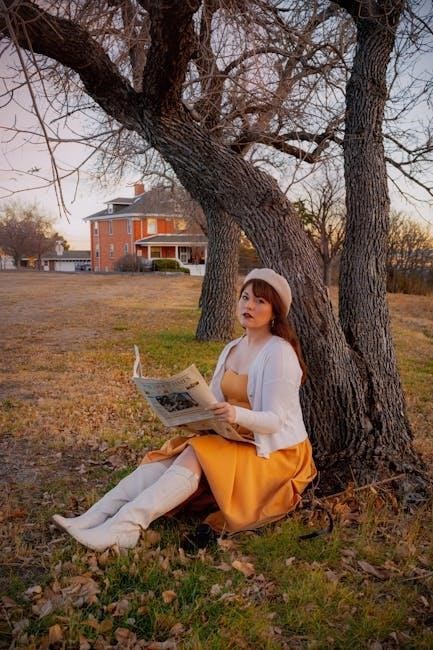
The Usher estate’s remote location and singular structure emphasize its detachment. It isn’t part of a community like a townhouse; it is a world unto itself. This distinction highlights the family’s self-imposed seclusion and the decaying grandeur of their singular residence.
XVII. Historical Context: House Ownership in the 19th Century (Poe’s Time)
In Poe’s 19th century, house ownership signified social standing and lineage. The Ushers’ ancestral home wasn’t merely a residence; it represented generations of family history and inherited wealth. Maintaining such a large estate demanded significant resources, reflecting the family’s declining fortunes as the house deteriorates.
Unlike modern homeownership, land and property were deeply tied to aristocratic identity. The Usher’s isolation wasn’t just physical; it mirrored a fading social class clinging to a bygone era. This context underscores the symbolic weight of the house’s fall.