Ski Length Guide: Finding Your Perfect Pair
Navigating the world of ski equipment requires understanding proper sizing․ This guide helps pinpoint ideal ski length based on height, skill, and terrain․
Experts suggest ski length matching height, or extending up to 5cm beyond, while beginners benefit from shorter lengths for control․
Utilize ski size charts and calculators for personalized recommendations, considering weight and skiing style for optimal performance on the slopes․
Understanding Ski Length Basics
Ski length is a fundamental aspect of performance, directly impacting control, stability, and maneuverability on the snow․ It’s not a one-size-fits-all equation; several factors intertwine to determine the optimal length for each skier․ Traditionally, ski length is measured in centimeters, and understanding this measurement is the first step towards finding your perfect pair․
Generally, shorter skis are easier to turn and control, making them ideal for beginners and those who prefer slower speeds or tighter turns․ Longer skis, conversely, offer greater stability at higher speeds and perform better in deeper snow conditions․ They require more effort to maneuver but provide a smoother ride and increased confidence when tackling challenging terrain․
The relationship between ski length and a skier’s height is a common starting point․ However, relying solely on height can be misleading․ Weight, skill level, and preferred skiing style all play crucial roles․ A heavier skier will generally require a longer ski to provide adequate support and stability, while a lighter skier might opt for a shorter length for increased agility․
Furthermore, the type of skiing you intend to do – all-mountain, powder, or park – significantly influences the ideal ski length․ This foundational understanding is key to making an informed decision and maximizing your enjoyment on the slopes․
The Importance of Correct Ski Length
Selecting the correct ski length is paramount for a safe, enjoyable, and progressive skiing experience․ Incorrectly sized skis can significantly hinder performance and even increase the risk of injury․ Skis that are too short can feel unstable at higher speeds, making it difficult to maintain control, particularly on challenging terrain․ They may also “catch” edges more easily, leading to unexpected falls․

Conversely, skis that are too long can be cumbersome and difficult to maneuver, especially for beginners or intermediate skiers․ They require more strength and technique to control, potentially leading to fatigue and frustration․ Turning becomes more challenging, and quick reactions are hampered, increasing the likelihood of losing control․
Proper ski length allows for optimal edge control, efficient turning, and a stable platform for navigating various snow conditions․ It directly impacts your ability to absorb bumps, maintain balance, and confidently tackle different slopes․ A well-matched ski length enhances your technique, allowing you to progress and enjoy the sport to its fullest potential․
Ultimately, investing time in finding the right ski length is an investment in your safety, comfort, and overall enjoyment on the mountain․ It’s a crucial step towards unlocking a more rewarding and fulfilling skiing experience․
Ski Length Charts by Height
Utilizing ski length charts based on height is a foundational step in the sizing process․ These charts provide a general starting point, but remember they are not definitive․ Variations exist based on skill level, weight, and skiing style․ Generally, charts categorize skiers by height in both centimeters and feet/inches․
For example, a skier around 130cm (4’3”) might be recommended skis in the 115-125cm range․ As height increases to 140cm (4’7”), the suggested length expands to 130-140cm․ Taller skiers, around 180cm (5’11”), often fall into the 160-175cm range, and beyond․ These are broad guidelines․
Here’s a simplified overview:
- Under 5’0” (152cm): 110-140cm
- 5’0” – 5’6” (152-168cm): 140-160cm
- 5’6” – 6’0” (168-183cm): 160-180cm
- Over 6’0” (183cm+): 180cm+
Remember to consult multiple charts from different manufacturers, as recommendations can vary․ Always consider these charts as a starting point, and adjust based on individual factors․ Online calculators and professional boot fitters can refine these suggestions for a truly personalized fit․
Ski Sizing for Beginners
For novice skiers, prioritizing control and maneuverability is paramount․ Shorter skis are strongly recommended, as they are easier to turn and manage at slower speeds․ This fosters confidence and accelerates the learning process․ A ski length that reaches somewhere between your chin and the top of your head is a good starting point․
Avoid the temptation to size up, even if you’re taller or athletic․ Longer skis require more strength and technique, which beginners typically haven’t developed․ Shorter skis allow for quicker edge-to-edge transitions, making it easier to learn fundamental skills like wedge turns and stopping․
Consider these guidelines: If you’re under 5’4” (163cm), skis in the 130-150cm range are generally suitable․ Between 5’4” and 5’10” (163-178cm), 150-165cm skis are a good choice․ Above 5’10”, consider 165-175cm․
Don’t hesitate to err on the shorter side․ As your skills progress, you can transition to longer skis for increased stability and performance․ A professional boot fitter can provide personalized recommendations based on your specific needs and abilities․
Ski Sizing for Intermediate Skiers
Intermediate skiers, comfortable on blue runs and exploring varied terrain, can begin experimenting with slightly longer ski lengths․ This allows for increased stability at moderate speeds and improved performance in more challenging conditions․ The goal is to find a balance between maneuverability and stability․
A good starting point is a ski length that reaches between your chin and nose․ Consider your weight and skiing style; heavier skiers or those who prefer aggressive carving will benefit from longer skis․ Lighter skiers or those who prioritize quick turns may prefer a slightly shorter length․
Generally, guidelines suggest: For skiers under 5’6” (168cm), 155-165cm skis are appropriate․ Between 5’6” and 5’10” (168-178cm), 165-175cm skis are a good fit․ Above 5’10”, consider 175-185cm․
Don’t be afraid to demo different lengths within this range to find what feels most comfortable and responsive․ Pay attention to how the skis perform in various snow conditions and terrain․ A professional ski fitter can offer valuable insights and help you refine your selection․
Ski Sizing for Advanced/Expert Skiers
Advanced and expert skiers demand precision and performance, requiring a more nuanced approach to ski sizing․ These skiers typically tackle all types of terrain, including steep slopes, powder, and challenging conditions, and benefit from skis that can handle high speeds and aggressive maneuvers․
Generally, expert skiers opt for skis equal to or even exceeding their height, sometimes extending up to 5-10cm longer․ This provides maximum stability at high speeds and excellent floatation in deep snow․ However, individual preferences and skiing style play a crucial role․
Consider these factors: Aggressive carvers will favor longer skis for edge hold and stability․ Freeride skiers tackling off-piste terrain will prefer longer lengths for floatation․ Park skiers may opt for slightly shorter skis for maneuverability and ease of spinning․
Weight is also a significant factor; heavier skiers will need longer skis to maintain stability․ Demoing different lengths is highly recommended to fine-tune your selection․ A professional ski fitter can provide expert guidance, considering your specific needs and skiing style to ensure optimal performance․
How Weight Impacts Ski Length Selection
A skier’s weight is a critical, often underestimated, factor in determining the appropriate ski length․ Ski flex, directly related to length, is designed to be loaded within a specific weight range for optimal performance․ Underweight skiers will struggle to flex the ski properly, leading to instability, while overweight skiers will overwhelm the flex, resulting in a sluggish and unresponsive feel․
Generally, heavier skiers require longer skis to provide sufficient support and stability․ The increased weight necessitates a stiffer ski to prevent bottoming out and maintain control at higher speeds․ Conversely, lighter skiers can often get away with shorter skis, as they don’t need as much stiffness to achieve the desired flex․
Consider these guidelines: If you are significantly above or below the average weight for your height, adjust the recommended ski length accordingly․ Online ski size calculators often incorporate weight as a key variable․ Don’t hesitate to size up if you’re a heavier skier within the recommended range, and size down if you’re lighter․
Ultimately, finding the right balance between weight, height, and skiing ability is crucial․ A professional ski fitter can assess your weight distribution and recommend the ideal ski length and flex for your individual needs․
Considering Your Skiing Style
Your skiing style profoundly influences the ideal ski length․ Aggressive, high-speed skiers who prioritize stability and carving benefit from longer skis․ These provide a larger platform for power transfer and maintain edge hold at higher velocities․ Conversely, skiers who favor playful, maneuverable skiing, such as those frequently making quick turns or skiing in tight spaces, will prefer shorter skis․
A more cautious or beginner skier will find shorter skis easier to control, allowing for quicker turn initiation and reduced risk of losing balance․ Intermediate skiers can experiment within the recommended range, leaning towards shorter lengths for agility and longer lengths for stability as their skills progress․
Think about your typical terrain and approach: Do you spend most of your time on groomed runs, venturing into off-piste powder, or hitting the park? A more versatile style requires a length that balances these needs․
Ultimately, matching ski length to your skiing style enhances performance and enjoyment․ Don’t be afraid to demo different lengths to find what feels most comfortable and responsive for your unique approach to the slopes․
Ski Length and Terrain: All-Mountain, Powder, Park
Terrain dictates optimal ski length; a one-size-fits-all approach doesn’t exist․ For all-mountain skiing, a length near your height or slightly below is generally ideal, offering versatility across varied conditions․ This provides a balance between carving performance on groomed runs and sufficient float in softer snow․
Powder skiing demands longer skis․ The increased surface area provides significantly more floatation, preventing you from sinking into deep snow․ Consider adding 5-10cm to your usual length for optimal powder performance․ Wider skis also complement this, enhancing buoyancy․
Park skiing prioritizes maneuverability and playfulness․ Shorter skis are crucial for spins, jumps, and rail tricks, allowing for quicker rotations and easier control․ Many park skiers opt for skis significantly shorter than their height – sometimes even 10-20cm less․
If you frequently switch between terrains, an all-mountain ski length is a good starting point․ However, dedicated skis for powder or park will dramatically improve your experience in those specific conditions․ Consider owning multiple pairs if your skiing is diverse;
The Role of Ski Width in Length Selection
Ski width significantly impacts how length translates to performance, particularly concerning floatation and edge hold․ Traditionally, narrower skis (under 85mm underfoot) were favored for groomed runs, requiring a slightly longer length to maintain stability and carving ability․
However, the rise of all-mountain skis with widths between 85-100mm has blurred these lines․ These versatile skis often perform well at a length closer to your height, even with the added width, due to their rocker profiles and construction․
Wider skis (over 100mm), designed for powder, necessitate careful length consideration․ While width provides float, a shorter length can make the ski more manageable in tight spaces and trees․ Conversely, a longer, wider ski offers superior stability at high speeds in deep snow․
Generally, as ski width increases, you might consider slightly shortening the length within your recommended range․ This is because wider skis naturally offer more surface area and float, reducing the need for extreme length․ Always prioritize a balance between width, length, and your skiing style․
Understanding Ski Flex and its Relation to Length
Ski flex, or stiffness, plays a crucial role alongside length in determining a ski’s performance characteristics․ A ski’s flex impacts how it responds to pressure, influences edge hold, and affects overall stability․ Generally, stiffer skis are better suited for aggressive skiers and higher speeds, while softer skis are more forgiving and easier to turn․
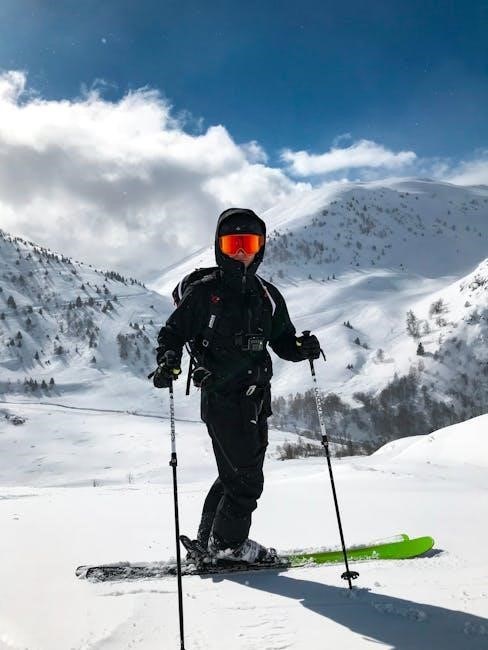
The relationship between flex and length isn’t always straightforward․ A stiffer ski can often be ridden slightly shorter than a softer ski, as its rigidity provides more control and stability even at a reduced length․ Conversely, a softer ski might benefit from being a bit longer to enhance edge hold and prevent it from feeling too floppy․
Beginner and intermediate skiers typically prefer softer flexes, often paired with lengths on the shorter side of the recommended range․ Advanced and expert skiers often opt for stiffer flexes, potentially extending the length to maximize performance and stability at higher speeds․
Consider your weight and skiing style when evaluating flex․ Heavier skiers generally require stiffer skis, while lighter skiers may prefer softer options․ Ultimately, finding the right balance between flex and length is key to unlocking your ski’s full potential․
Using Online Ski Size Calculators
Online ski size calculators are valuable tools for narrowing down your ideal ski length, offering a convenient starting point based on individual factors․ These calculators typically request information such as your height, weight, skiing ability (beginner, intermediate, expert), and preferred terrain․
Most calculators generate a recommended ski length range, rather than a single precise measurement․ This acknowledges that personal preference and skiing style play significant roles․ Reputable ski retailers and manufacturers often provide their own calculators, incorporating specific data about their ski models․
However, it’s crucial to remember that calculators are not foolproof․ They provide estimations, and it’s always best to supplement their suggestions with additional research and, ideally, professional advice from a ski shop expert․
Pay attention to the calculator’s assumptions․ Some may prioritize all-mountain skiing, while others cater to specific disciplines like powder or park․ Inputting accurate information is essential for receiving a relevant recommendation; Use multiple calculators from different sources to compare results and gain a broader perspective․
Adjusting Ski Length Within the Recommended Range
Once you’ve established a recommended ski length range, consider factors that might nudge you towards the shorter or longer end of that spectrum․ A heavier skier generally benefits from a slightly longer ski for increased stability and edge hold, while a lighter skier might prefer a shorter length for easier maneuverability․
Aggressive skiers who prioritize speed and carving often opt for the longer end of the range, providing greater stability at high velocities․ More playful skiers who enjoy quick turns and freestyle maneuvers may prefer a shorter length for enhanced agility․
Terrain also influences the optimal length․ For primarily on-piste skiing, a length closer to your height is often suitable․ If you frequently venture off-piste into powder, a longer ski provides better floatation․
Don’t be afraid to experiment within the range․ A difference of a few centimeters can significantly alter the ski’s feel․ If you’re between sizes, consider your primary skiing style and terrain․ Ultimately, the best length is the one that feels most comfortable and allows you to confidently control your skis․
Gender-Specific Ski Sizing Considerations
Traditionally, ski sizing recommendations haven’t always accounted for gender-specific differences, but modern approaches recognize that women and men often require different ski lengths, even at the same height and skill level․ Women generally have a lower center of gravity and different muscle mass distribution compared to men․
This often translates to women benefiting from slightly shorter skis than men of the same height․ Shorter skis are typically easier to control and maneuver, aligning with common differences in skiing style and strength․ However, this isn’t a universal rule․
Many ski manufacturers now offer skis specifically designed for women, featuring a softer flex and tailored shapes․ These skis are engineered to accommodate the unique biomechanics of female skiers․
When using ski size charts, look for gender-specific recommendations whenever possible․ If a chart only provides unisex sizing, consider subtracting 5-10cm from the suggested length if you are a woman․ Ultimately, prioritize how the ski feels under your feet, regardless of gender-specific guidelines․

Children’s Ski Sizing Guide
Sizing skis for children differs significantly from adult sizing, as they are constantly growing and their skill levels develop rapidly․ A common starting point is to choose skis that reach somewhere between the child’s chin and nose when stood upright․
Avoid the temptation to buy skis that are “too big” for growth, as oversized skis are difficult for children to control and can hinder their learning process․ It’s better to re-size more frequently as they grow;
Weight is a crucial factor in children’s ski sizing․ Lighter children will generally require shorter skis than heavier children of the same height․ Consult specific ski manufacturer’s charts, as they often provide weight-based recommendations․
Beginner children should start with shorter skis to maximize control and build confidence․ As their skills progress, you can gradually increase the ski length․ Rental shops are excellent resources for ensuring a proper fit, and they can adjust skis as needed throughout the season․ Remember to prioritize safety and enjoyment!
Where to Find Reliable Ski Size Charts
Finding accurate ski size charts is essential for a proper fit, and several reputable sources offer comprehensive guides․ Leading ski manufacturers like Salomon, Rossignol, and Atomic provide detailed charts on their official websites, often incorporating weight and skill level considerations․

Retailers specializing in ski equipment, such as evo and REI, also feature robust ski size calculators and charts․ These resources frequently allow you to input multiple variables for a more personalized recommendation․
Independent ski sizing websites and blogs dedicated to winter sports offer valuable insights and comparisons of different charts․ However, always cross-reference information from multiple sources to ensure accuracy․
Remember that charts are starting points; professional boot fitters at local ski shops can provide expert advice tailored to your specific needs․ They consider factors like skiing style, terrain preferences, and individual anatomy․ Utilizing a combination of online resources and in-person consultations guarantees the best possible ski sizing experience․