
Guided meditation offers structured support for both novices and experienced practitioners, fostering relaxation and self-awareness. Leading requires a compassionate approach,
utilizing scripts to navigate inner peace and mindful tranquility for participants.
These scripts, readily available online and in publications, provide a framework for cultivating calmness, reducing stress, and enhancing emotional regulation through focused techniques.
Effectively guiding involves adapting to diverse needs, offering accessible practices like mindfulness, visualization, and mantra recitation, benefiting all ages and skill levels.
What is Guided Meditation?
Guided meditation is a powerful technique where a facilitator, or leader, verbally directs participants through a meditative experience. Unlike silent meditation, it involves listening to a calming voice offering imagery, suggestions, and prompts to focus the mind.
This practice isn’t about achieving a specific state, but rather about gently guiding individuals towards present moment awareness and inner peace. Scripts are often used, providing a structured pathway for exploration, encompassing mindfulness, body scans, or loving-kindness practices.
It’s accessible to all levels, offering support for beginners who may struggle with independent practice. The leader’s voice acts as an anchor, helping to navigate thoughts and emotions without judgment, fostering relaxation and emotional regulation. It’s a journey of intentionality, cultivating a tranquil way of life.
Benefits of Guided Meditation for Participants
Guided meditation offers a wealth of benefits for those who participate, extending beyond simple relaxation. Regular practice can significantly reduce anxiety and stress levels, promoting emotional wellbeing and a sense of calm. Participants often report improved sleep quality and enhanced self-awareness.
The structured nature of guided meditation makes it particularly effective for beginners, providing a focus point and reducing mental wandering. It cultivates mindfulness, allowing individuals to observe thoughts and feelings without judgment, fostering emotional regulation.
Furthermore, it can enhance cognitive function, improve focus, and even boost social and emotional skills. It’s a versatile tool for personal growth, offering a pathway to a more mindful and tranquil existence, accessible to all age groups.
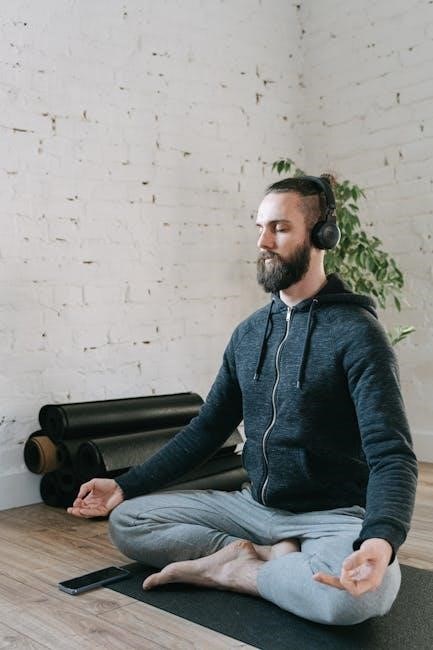
Preparing to Lead a Guided Meditation

Successful leadership requires crafting a serene atmosphere, selecting a suitable script, and understanding your audience’s needs and experience levels for a beneficial session.
Creating the Right Atmosphere
Establishing a calming environment is paramount for a successful guided meditation session. Dim lighting, comfortable seating arrangements, and a quiet space free from distractions are essential elements. Consider incorporating soft, instrumental music or natural sounds to further enhance the tranquility.
Gentle aromatherapy, using calming scents like lavender or chamomile, can also contribute to a relaxing ambiance. Ensure the temperature is comfortable, avoiding extremes of hot or cold. Encourage participants to remove any restrictive clothing or jewelry.
Before beginning, take a moment to ground yourself and set a peaceful intention. This energy will naturally radiate to those you are guiding, fostering a deeper sense of relaxation and receptivity. A thoughtfully prepared space signals respect for the practice and invites participants to fully immerse themselves in the experience.

Choosing a Meditation Script
Selecting the appropriate script is crucial for a meaningful guided meditation experience. Consider your audience’s experience level – beginners benefit from simpler, more direct scripts, while seasoned meditators may appreciate more nuanced or challenging themes.
Explore diverse script types, including mindfulness, body scan, loving-kindness, and visualization, to align with the desired outcome. Online script libraries and published collections offer a wealth of options.
Preview the script thoroughly, familiarizing yourself with the language and imagery. Choose a script that resonates with you personally, as your genuine connection will enhance the delivery. Ensure the script’s length is appropriate for the allotted time, and adapt it if necessary to suit your group’s needs.
Understanding Your Audience
Before leading, assess your audience’s familiarity with meditation. Are they beginners or experienced practitioners? This dictates the script’s complexity and pace. Consider their age range and any specific needs or sensitivities. A secular approach, avoiding religious terminology, broadens accessibility.
Be mindful of potential anxieties or emotional challenges participants might be facing. Choose scripts that promote safety and self-compassion. Observe non-verbal cues during the meditation to gauge comfort levels.
Knowing your audience allows you to tailor your guidance, offering gentle encouragement and modifications as needed, fostering a supportive and inclusive environment for all to benefit.

Essential Techniques for Guiding Meditation
Effective guidance relies on a calm, modulated voice, incorporating pauses and sensory imagery. Thoughtful pacing and silence deepen the experience, fostering relaxation and mindful awareness.
Voice Modulation and Pacing
Your voice is a primary tool when leading a guided meditation; cultivate a soothing, gentle tone that encourages relaxation. Avoid being overly enthusiastic or monotone – aim for a natural, compassionate delivery. Varying your pitch slightly can prevent listeners from becoming disengaged.
Pacing is equally crucial. Speak slowly and deliberately, allowing ample time for participants to absorb your words and connect with the imagery. Incorporate strategic pauses – silence is a powerful element, providing space for introspection and deeper experience.
Avoid rushing through the script, even if you feel comfortable with the material. Remember, the goal is to guide others into a state of calm, and a measured pace is essential for achieving this. Observe your audience’s response and adjust accordingly.
Using Imagery and Sensory Details
Vivid imagery is the heart of effective guided meditation. Instead of simply stating concepts, paint pictures with your words, engaging the senses to deepen the experience. Describe scenes, colors, textures, and sounds to help participants visualize and connect with the meditation’s theme.
Appeal to all senses: What does the air feel like on their skin? What scents are present? What sounds are heard in the background? Encourage participants to fully immerse themselves in the sensory experience you’re creating.
Use metaphors and analogies to make abstract ideas more accessible. A well-crafted image can bypass the analytical mind and speak directly to the subconscious, fostering a deeper sense of peace and understanding.
Incorporating Pauses and Silence
Strategic pauses are as crucial as the words themselves in guided meditation. Resist the urge to fill every moment with narration; silence allows participants to absorb the guidance, connect with their inner experience, and process emotions. Pauses create space for self-reflection and deeper relaxation.
Vary the length of pauses – short pauses for breath awareness, longer pauses for visualization or emotional processing. Observe your audience; adjust pacing based on their needs and responses.
Embrace the power of silence. It’s not emptiness, but a fertile ground for inner exploration. Allow participants to simply be with their thoughts and feelings without judgment, fostering a sense of presence and tranquility.
Types of Guided Meditation Scripts
Diverse scripts cater to varied needs: mindfulness for present moment awareness, body scans for physical relaxation, loving-kindness for compassion, and visualization for imaginative journeys.
Mindfulness Meditation Scripts
Mindfulness meditation scripts center on cultivating present moment awareness without judgment. These scripts typically guide participants to focus on sensations – breath, body, sounds – as anchors to the ‘now’.
When leading, emphasize gentle, non-reactive observation. Encourage participants to notice thoughts and feelings as they arise, acknowledging them without getting carried away. A script might include phrases like, “Notice the rise and fall of your abdomen with each breath,” or “Simply observe any sounds without labeling them.”
Effective mindfulness scripts avoid complex visualizations, prioritizing direct sensory experience. They are accessible to all levels, offering a foundational practice for stress reduction and emotional regulation. The goal is to foster a sense of grounded presence and acceptance.
Body Scan Meditation Scripts
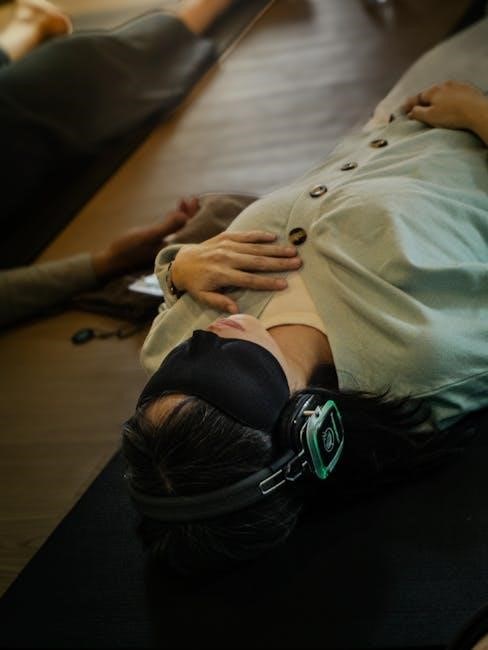
Body scan meditation scripts systematically direct attention through different parts of the body, fostering awareness of physical sensations. Begin by guiding participants to lie down comfortably and bring awareness to their toes, slowly moving upwards.
As you lead, use descriptive language: “Notice any sensations in your left foot – warmth, coolness, tingling, or pressure.” Encourage gentle curiosity, not striving to change anything, simply observing. Scripts often include prompts to release tension in each area.
Body scans are excellent for grounding and reducing anxiety. They promote interoception – the ability to perceive internal bodily signals – and can be particularly helpful for those disconnected from their physical experience. Maintain a slow, deliberate pace.

Loving-Kindness (Metta) Meditation Scripts
Loving-kindness (Metta) meditation scripts cultivate feelings of warmth, compassion, and goodwill towards oneself and others. Begin by guiding participants to find a comfortable posture and gently close their eyes.
Introduce the traditional phrases: “May I be filled with loving-kindness. May I be well. May I be peaceful and at ease. May I be happy.” Encourage participants to repeat these silently, directing the phrases towards themselves first.
Gradually expand the circle of loving-kindness to include loved ones, neutral persons, difficult people, and finally, all beings. A gentle, compassionate tone is crucial. Scripts often emphasize the universality of suffering and the shared desire for happiness.
Visualization Meditation Scripts
Visualization meditation scripts harness the power of imagination to create peaceful and positive mental imagery. Begin by guiding participants to relax deeply and focus on their breath, establishing a sense of calm.
Introduce a vivid scene – a tranquil beach, a lush forest, or a serene mountain landscape. Use descriptive language, engaging all the senses: sights, sounds, smells, tastes, and textures. Encourage participants to fully immerse themselves in the visualization.
Scripts might involve visualizing healing light, achieving goals, or connecting with inner wisdom. Maintain a gentle, encouraging tone, allowing participants to explore the imagery at their own pace. Emphasize that there is no right or wrong way to visualize.

Practical Considerations
Leading guided meditation requires mindful adjustments for script length, participant skill, and potential interruptions. Be prepared to adapt and offer gentle redirection.
Handling questions with grace and ensuring inclusivity are key to a successful and supportive meditation experience for everyone involved.
Script Length and Timing
Determining script length is crucial for maintaining engagement and preventing listener fatigue. Shorter scripts, around 5-10 minutes, are ideal for beginners or quick sessions, while experienced meditators may appreciate longer explorations of 15-20 minutes.
Carefully time your delivery during practice runs to ensure a comfortable pace. Allow ample pauses and silence – these are not empty spaces, but integral parts of the meditative experience, allowing participants to fully absorb the guidance and connect with their inner selves.
Consider the overall context; a lunchtime meditation will necessitate brevity, whereas a dedicated workshop allows for more expansive scripts. Always prioritize quality over quantity, ensuring each moment is intentionally crafted and delivered.
Handling Questions and Interruptions
Anticipate potential questions and address common concerns briefly at the beginning, establishing clear expectations for a quiet practice. Gently remind participants of this intention before starting the meditation, fostering a respectful atmosphere.
If an interruption occurs during the session, remain calm and grounded. Acknowledge it briefly without dwelling, then gently redirect focus back to the meditation. Avoid lengthy explanations or debates that disrupt the flow for others.
Post-meditation is the appropriate time for more in-depth discussion and addressing individual queries. Create a safe space for sharing experiences and offering support, ensuring everyone feels heard and valued.
Adapting to Different Skill Levels
Recognize the diverse experience within your group, offering modifications to suit varying levels of meditation practice. For beginners, provide more detailed instructions and simpler visualizations, building confidence and ease.
Experienced meditators may benefit from more open-ended prompts and longer periods of silence, allowing for deeper exploration. Encourage them to adjust the practice to their individual needs and preferences.
Consider offering variations within the script itself, such as suggesting different focal points or imagery. Acknowledge that everyone’s experience is unique, and there’s no “right” way to meditate, fostering inclusivity.

Resources for Finding Meditation Scripts
Numerous online libraries and publications offer a wealth of guided meditation scripts, catering to diverse themes and durations. Explore One Mind Dharma and other sources for readily available options.
Online Script Libraries
The digital landscape provides a remarkable abundance of resources for discovering pre-written guided meditation scripts. Websites like One Mind Dharma stand out, offering an extensive collection of 50 individual meditations readily available for use. These scripts encompass a broad spectrum of practices, including mindfulness exercises, heart-centered meditations, and techniques specifically designed to address anxiety.
Furthermore, many platforms curate scripts tailored for specific demographics, such as children, or focused on particular needs like stress relief or improved sleep. Searching for “free guided meditation scripts” yields numerous results, often including secular options suitable for diverse audiences. These online libraries frequently categorize scripts by length and theme, simplifying the selection process for leaders.
Accessibility is a key benefit, allowing for instant download and customization to suit your unique style and the needs of your participants.
Books and Publications
Beyond the digital realm, a wealth of published resources offer expertly crafted guided meditation scripts and insights into the art of leading. While specific titles weren’t directly mentioned in the provided text, exploring publications focused on mindfulness, meditation, and therapeutic techniques will undoubtedly yield valuable materials.
These books often provide not only scripts but also foundational knowledge regarding the principles of meditation, the psychology of relaxation, and effective communication strategies for guiding others. Look for publications that emphasize compassionate language, thoughtful pacing, and the creation of a safe and supportive environment.
Investing in these resources can deepen your understanding and enhance your ability to tailor meditations to diverse needs, offering a more nuanced and impactful experience for participants.

Post-Meditation Guidance
Gently guide participants back to full awareness, offering a moment for integration before optional sharing. This fosters a sense of groundedness and mindful continuation.
Gentle Return to Awareness
As the meditation concludes, avoid abrupt endings. Instead, softly invite participants to gradually reconnect with their surroundings. Begin by suggesting they notice the sensations of their bodies – the feeling of their feet on the floor, or their hands resting in their lap.
Encourage a gentle re-engagement with sounds, acknowledging the ambient noises without judgment. Slowly invite them to wiggle their fingers and toes, and perhaps gently stretch. This gradual awakening prevents disorientation and allows for a smooth transition back to full consciousness.
Remind them there’s no rush, and to carry the sense of calm and presence cultivated during the meditation into their day. A final, quiet moment of gratitude can be a beautiful closing touch.
Optional Sharing and Discussion
Following the gentle return to awareness, offer a space for voluntary sharing. Emphasize that participation is entirely optional, respecting individual comfort levels. Invite participants to briefly share their experiences – what sensations, emotions, or insights arose during the meditation.
Facilitate a supportive and non-judgmental environment, encouraging active listening and respectful dialogue. This isn’t about analyzing or “fixing” experiences, but simply acknowledging and honoring them.
Keep the discussion focused and time-bound, preventing it from becoming overly lengthy or dominated by a few individuals. Offer gentle guidance, and conclude by reinforcing the benefits of continued practice.